Sandwich Day and the 'Sandwich Generation'
November 3rd was "National Sandwich Day". A day aimed at celebrating the creativity and convenience of sandwiches. (Yes, sandwiches!)
So, what does this have to do with female therapists’ self-care? Well, it actually reminded us of the situation so many women find themselves in and, unfortunately, it’s not something that occurs only once a year. It’s not marked by a special day and even if it were, it would in no way make up for the toll this can have on women.
What is it? Being part of the “sandwich generation”.
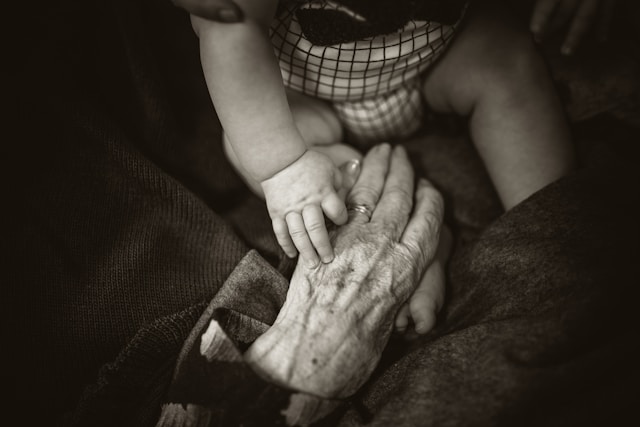
Although “sandwich generation” has traditionally referred to being “sandwiched” between caring for both children and aging parents, a report release by Statistics Canada in April 2024 highlighted that one may feel “sandwiched” between multiple caregiving responsibilities involving a much broader range of family (e.g., grandchildren, nieces, nephews, spouses, grandparents, in-laws) as well as friends and neighbours. And although these caregiving responsibilities may be experienced by both men and women, the report highlighted that women continue to be disproportionately impacted by multiple caregiving responsibilities (Statistics Canada, 2024, p.17).
“The responsibilities of unpaid caregiving, especially sandwich caregiving, are not evenly distributed. In particular, this study reinforces that caregiving is gendered: women are not only more likely to be caregivers, but are also more likely to spend more time on caregiving, often on more inflexible and direct types of care tasks. The impact of caregiving is also gendered, as women sandwich caregivers are more likely than men to report more negative impacts on their physical health and well-being, financial well-being, family relations, and employment.”
As women we owe it to ourselves to acknowledge and appreciate the incredible contributions we make in our caregiving roles and to also recognize the very real impact this has on us, the fact that we are not alone in our experiences, and the importance of ensuring we continue to also care for ourselves.
Recognizing that we share many similarities and also have our own unique circumstances and needs, we share the following four resources and encourage you to take what you need:
- If you’re interested in reviewing some data related to this topic, you may wish to read the 2024 Statistics Canada 23-page report entitled "Sandwiched between unpaid care for children and care-dependent adults: A gender-based study".
- If you’re interested in reading an article that references the Statistics Canada report but also includes interviews with women who share their experiences of being part of the sandwich generation, you may wish to read the 11-page article from the April 2024 edition of Maisonneuve.
- If you’re interested in learning more about why self-compassion is so important for caregivers, you may wish to watch this brief video by Kristin Neff (who is herself sandwiched between caring for her autistic son and her aging parent).
- If you’re interested in a meditation exercise aimed at using your breath to metaphorically not only give but to also receive compassion, you may wish to try this 20-minute Giving and Receiving Compassion meditation by Kristin Neff.